
Hair loss can be a devastating experience, affecting both physical appearance and emotional well-being. It can lead to feelings of insecurity, self-consciousness, and even isolation. For those who are experiencing hair loss, finding the right coping mechanisms and support systems is essential.
In this blog post, we will explore a variety of hair loss solutions, including wigs, scarves, and other options. We will also provide helpful tips for storing and caring for wigs, as well as how each option has worked for us!
Whether you are seeking practical advice or emotional support, this guide is designed to help you navigate the challenges of hair loss with confidence and resilience.
Wigs: A Versatile Option
Wigs have come a long way in recent years, offering a wide range of styles, colors, and materials to suit individual preferences. There are two main types of wigs:
- Synthetic wigs: Made from synthetic fibers, they are generally more affordable but may require less frequent styling and washing.
- Human hair wigs: Crafted from real human hair, they offer a more natural look and feel but can be more expensive and require more maintenance.
I remember how worried my daughter was when she started losing her hair. We spent a lot of time researching wigs and we’ve also tried many wigs before eventually found ones that we loved. It helped her feel more like herself and boosted her confidence. We have found that she loves to have fun colorful wigs, as she is a little girl that loves to play dress up.
Best Practices for Storing and Caring for Wigs
Proper storage and care are essential for maintaining the quality and longevity of wigs. Here are some tips:
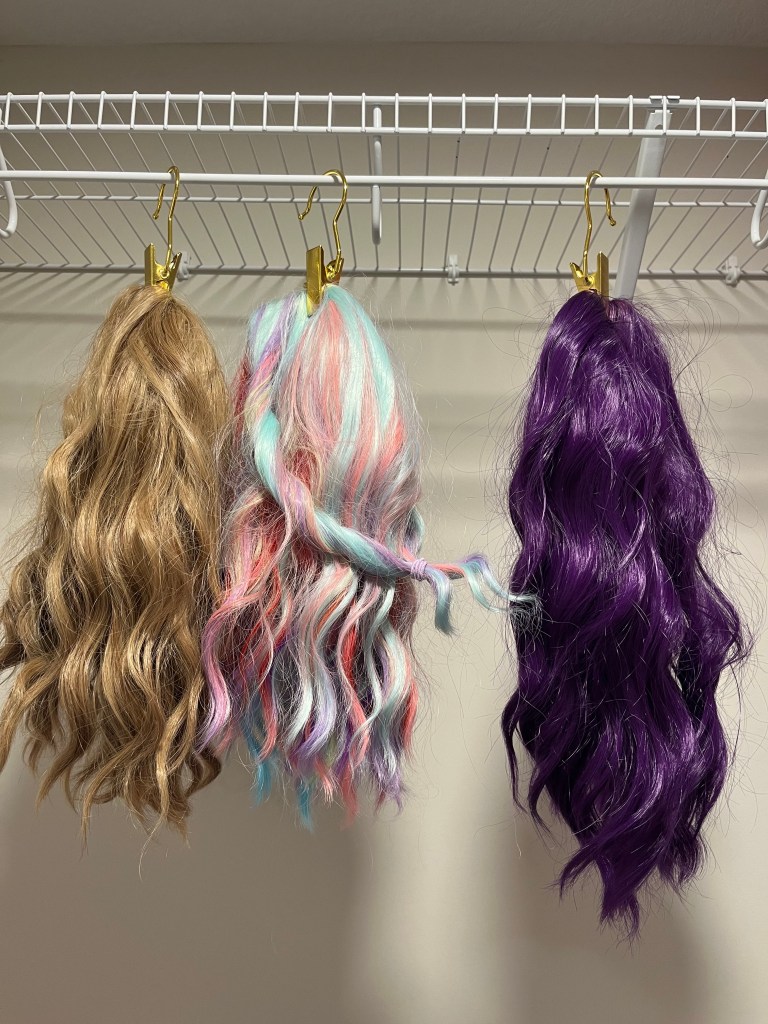
- Storage: Store wigs on a wig stand or mannequin to prevent them from becoming misshapen. Avoid storing them in a pile, as this can cause the fibers to tangle.
- Washing: Wash wigs regularly using a gentle shampoo and conditioner formulated for wigs. Avoid rubbing or twisting the hair.
- Drying: Air dry wigs on a wig stand. Avoid using heat styling tools, as this can damage the fibers.
- Brushing: Gently brush wigs with a wide-tooth comb or wig brush to detangle the hair.
Wigs for Kids:
Mahaila recently received a new wig from the Wigs for Kids program. Wigs for Kids is a non-profit organization that provides free wigs to children and young adults who have lost their hair due to medical conditions such as alopecia, cancer, and trichotillomania.
Mahaila’s new wig has given her a boost of confidence and has helped her to feel more like herself. She loves being able to choose a style that she feels good about and has been enjoying experimenting with different looks. Not only does it look great thanks to our hair stylist Nina, but it comfortable to wear. This has been the first time she has kept a wig on her head for an entire day!
Learn more about Wigs for Kids:

Watch a video on how to clean wigs: Wig Care
Scarves: A Stylish and Comfortable Choice
Scarves can be a stylish and comfortable way to cover hair loss. They come in various materials, patterns, and sizes, allowing for endless customization.
My daughter loved experimenting with different scarf styles. She would often pair them with her favorite outfits and had a blast accessorizing.
Headbands: A Simple and Effective Accessory
Headbands can be a simple and effective way to cover hair loss, especially for those with shorter hair or a receding hairline. They come in a variety of styles, from thin and delicate to thick and bold.
Headbands were a lifesaver for my daughter during the initial stages of hair loss. They were comfortable to wear and helped her feel more put together. This is something that came in handy when she had a lot of bald spots, but wanted something to wear for gymnastics. With all the tumbling and flips she couldn’t keep a scarf or wig on her head.
Other Options: Hats, Hairpieces, and Makeup
In addition to wigs, scarves, and headbands, there are other options available for managing hair loss, including:
- Hats: A versatile and practical choice for both men and women.
- Hairpieces: Smaller pieces of hair that can be added to existing hair or attached to a wig cap.
- Makeup: Can be used to create the illusion of hair and fill in gaps.
Hats are my daughter’s main accessory. This is something she wears out 90% of the time. She has so many hats and colors. Even if she goes out in a wig, we bring a hat for back up.
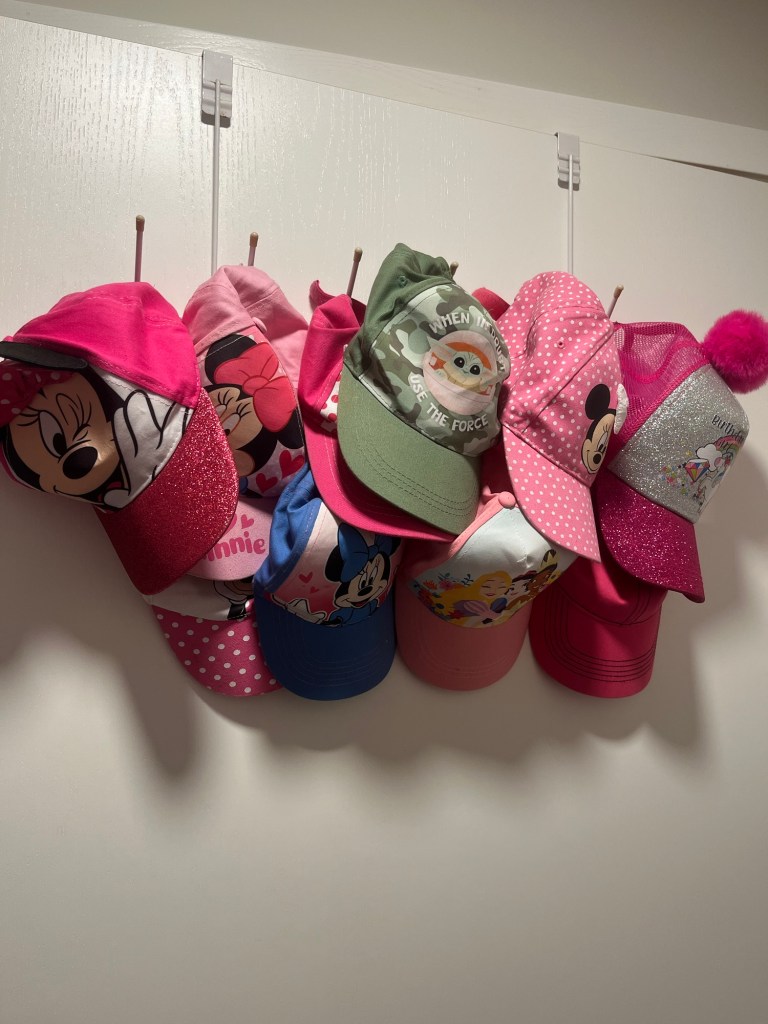
Remember, the most important thing is to find a solution that makes you feel comfortable and confident. It’s okay to experiment with different options until you find what works best for you.
Discover more from Strong Beyond Strands
Subscribe to get the latest posts sent to your email.

