
Alopecia areata is an autoimmune disease that causes hair loss. While the exact cause is unknown, it’s believed to be triggered by an overactive immune system. Recent research suggests a possible link between mold exposure and the development of alopecia areata.
How Mold Might Affect Alopecia Areata:
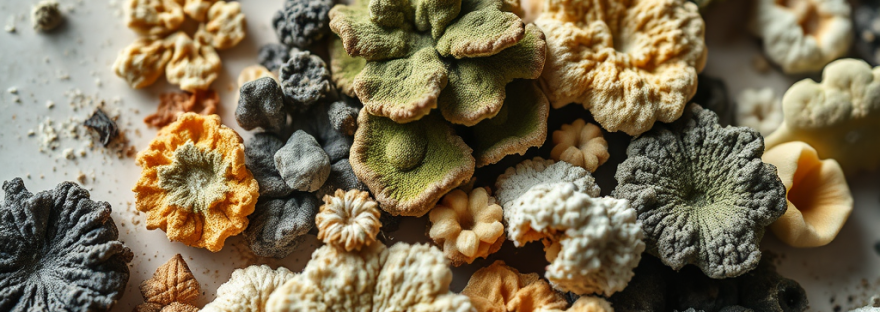
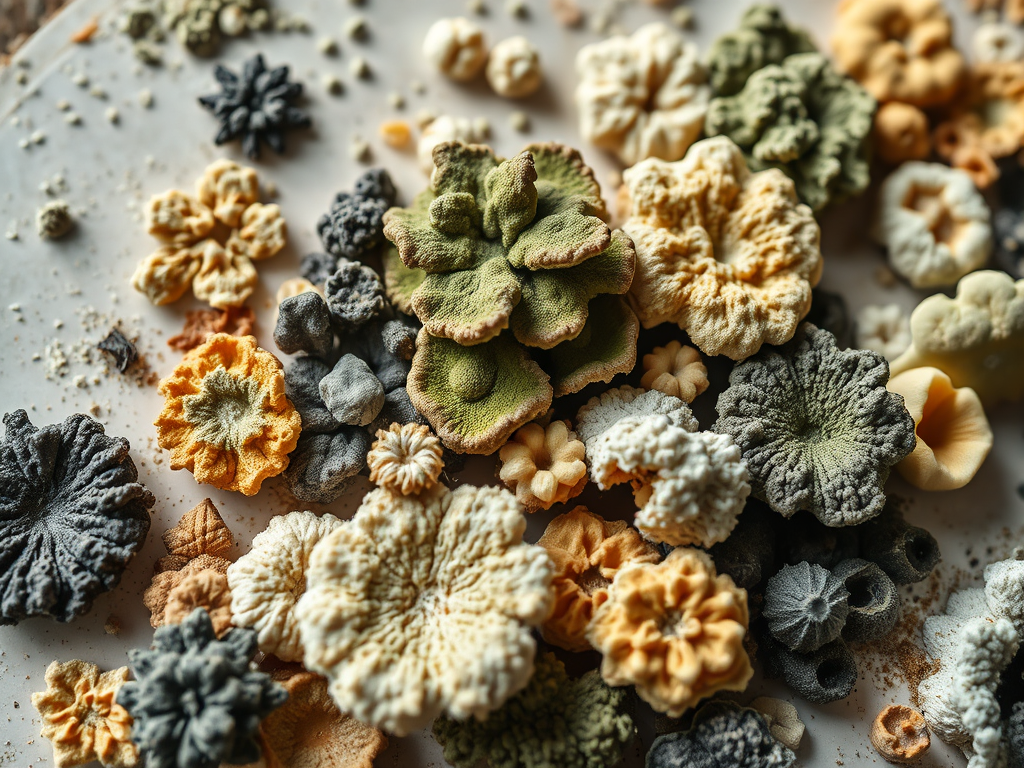
Mold spores are microscopic fungi that thrive in damp environments. When inhaled, these spores can trigger an allergic reaction, leading to inflammation and irritation in the respiratory system. Some experts believe that mold exposure may also contribute to the development of autoimmune diseases, including alopecia areata.
Potential Mechanisms:
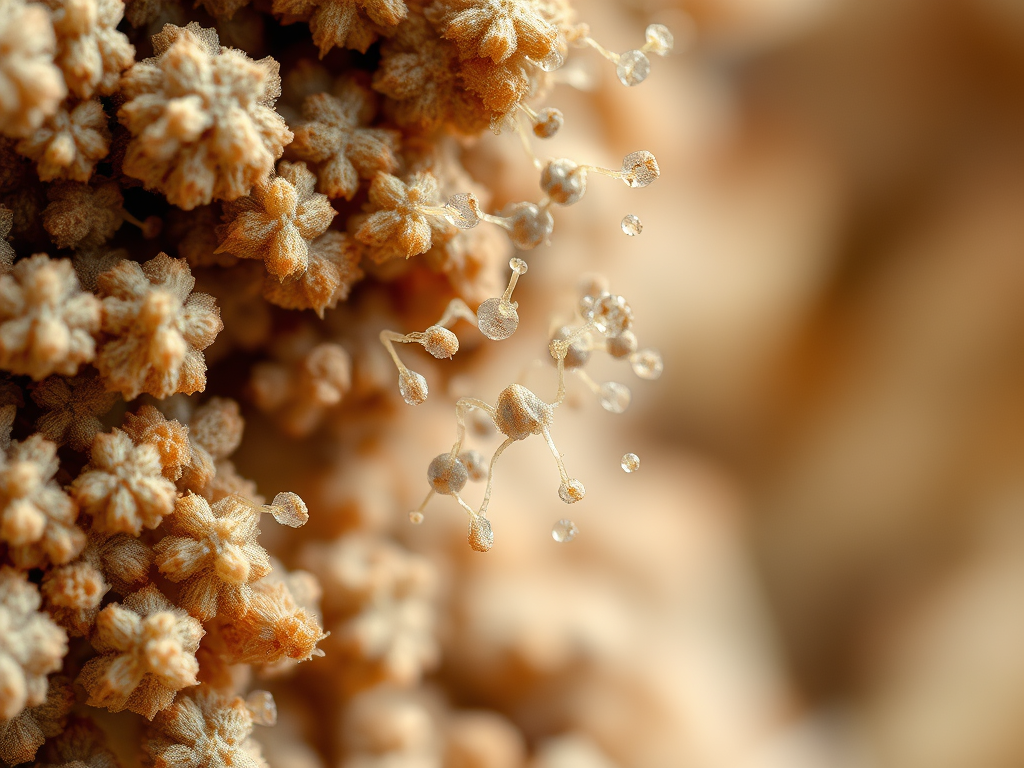
- Immune System Activation: Mold spores can act as allergens, stimulating the immune system to produce antibodies. In individuals with a genetic predisposition, this heightened immune response may lead to the development of autoimmune conditions like alopecia areata.
- Direct Hair Follicle Damage: Some studies suggest that certain types of mold may directly damage hair follicles, leading to hair loss.
Research and Evidence:
While the link between mold exposure and alopecia areata is still under investigation, some studies have shown a correlation between the two. For example, a study published in the journal Journal of the American Academy of Dermatology found that individuals with alopecia areata had higher levels of mold exposure than those without the condition.
What You Can Do:
If you have alopecia areata and suspect that mold exposure may be contributing to your condition, it’s important to take steps to reduce your exposure. This may include:

- Mold Remediation: If you have mold in your home, it’s important to have it professionally removed.
- Air Purifiers: Using an air purifier with a HEPA filter can help remove mold spores from the air.
- Regular Cleaning: Keep your home clean and dry to prevent mold growth.
- Consult a Doctor: If you’re experiencing hair loss, it’s important to see a doctor to rule out other possible causes and discuss treatment options.
Disclaimer:
This blog post is for informational purposes only and should not be considered medical advice. It’s important to consult with a healthcare professional for any health concerns.
Discover more from Strong Beyond Strands
Subscribe to get the latest posts sent to your email.

